
Dental Fillings in Gambrills, MD
A cavity does not always announce itself with a toothache. Sometimes decay shows up during a routine exam or on a dental X-ray before you notice anything at all. Other times, sensitivity to sweets, hot or cold foods, or discomfort in one tooth is what brings you in.
At The Haven Family & Cosmetic Dentistry in Gambrills, MD, Dr. Nitchel Bastien provides tooth-colored composite fillings to repair teeth affected by cavities. The goal is straightforward: remove the decay, rebuild the damaged area, and preserve healthy tooth structure when a filling is the right treatment.

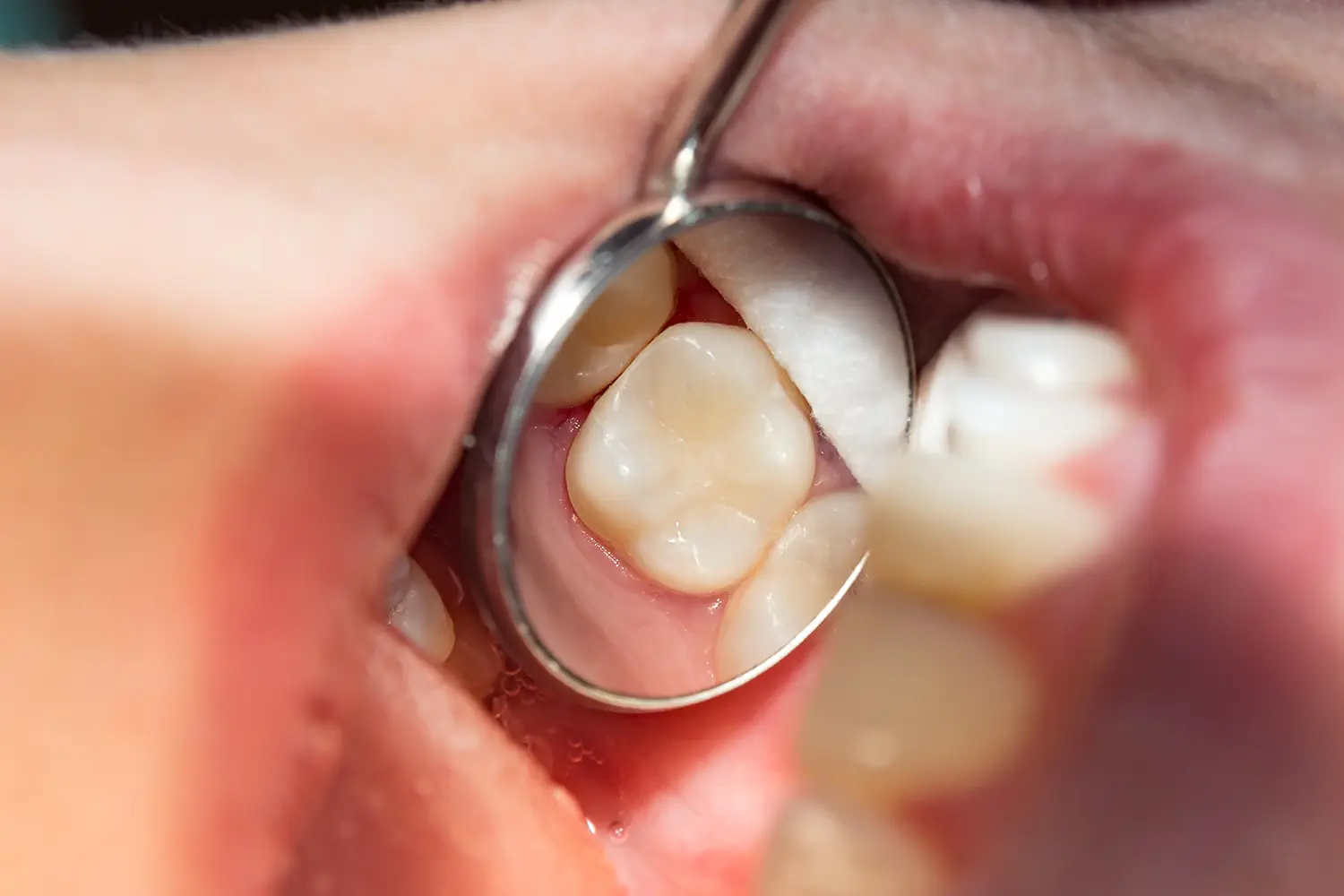
Tooth-Colored Composite Fillings
A dental filling repairs the part of a tooth damaged by decay. After the decayed tooth structure is removed, the area is rebuilt with a restorative material so the tooth can function normally again.
The Haven uses tooth-colored composite restorations for cavities. Unlike metal-colored fillings, composite material is selected to blend more naturally with the surrounding tooth.
Fillings can be used on front and back teeth in many situations. The deciding factor is not simply where the cavity is located. Dr. Bastien will also consider how much healthy tooth remains and whether a filling can provide appropriate support.
If a tooth has lost significantly more structure, another restoration, such as a dental crown, may be a better option.
How Do I Know If I Have a Cavity?
Early tooth decay may not cause any symptoms. As the decay progresses, you might notice:
- Sensitivity to hot, cold, or sweet foods and drinks
- Tooth pain or an ache in one area
- A visible dark spot or hole in a tooth
- Discomfort when biting or chewing
- A change found during a routine examination or dental X-ray
Because cavities can develop before they hurt, routine dental exams can identify changes that would otherwise be easy to miss.
If a tooth simply feels different, you do not need to figure out the cause on your own. Dr. Bastien can examine the area, explain what she sees, and discuss what, if anything, needs to be done.
Why Does a Cavity Need Treatment?
Tooth decay develops as acids produced by bacteria repeatedly attack tooth enamel.
During its earliest stages, mineral loss may sometimes be stopped or reversed. Once enough enamel has broken down to form a cavity, however, the missing tooth structure does not grow back. The damaged area generally needs to be restored.
Leaving a cavity untreated gives decay an opportunity to move farther into the tooth. That can eventually lead to greater sensitivity, pain, infection, or the need for more involved treatment.
At The Haven, the process begins with determining what is actually happening. An examination may include digital imaging when needed. Dr. Bastien then reviews the findings with you and explains why treatment is or is not being recommended.
There is room to ask questions before making a decision.
What Happens When You Get a Dental Filling?
First, Dr. Bastien evaluates the tooth to confirm that a filling is an appropriate restoration.
If it is, the decayed tooth structure is removed and the area is prepared for the composite material. The tooth-colored material is then placed and shaped to rebuild the portion of the tooth that was lost.
Composite restorations rely on bonding to the tooth, so careful placement and moisture control are important during treatment.
Once the filling is complete, Dr. Bastien checks the restoration and your bite.
The result should restore the damaged area while maintaining a natural-looking appearance.
Do I Need a Filling or a Dental Crown?
This usually comes down to how much healthy tooth structure remains.
A filling repairs a specific area affected by decay while preserving the rest of the tooth. When enough healthy structure remains, a filling may be all that is needed.
A dental crown covers more of the tooth and may be recommended when decay, a fracture, or a large existing restoration has left the tooth significantly weakened.
An older filling does not automatically mean you need a crown either.
Sometimes an aging or damaged filling can simply be replaced. In other cases, there may no longer be enough healthy tooth structure for another filling to provide appropriate support.
Dr. Bastien evaluates the tooth before recommending one approach over the other.
What If an Older Filling Breaks or Comes Loose?
Fillings can wear, chip, loosen, or eventually need replacement. Decay can also develop around the edges of an existing restoration.
Signs that an older filling should be checked may include:
- A filling that feels loose
- A change in the way your teeth come together
- New sensitivity around the restored tooth
- Pain when biting
- A chipped filling or tooth
- A rough or sharp area you did not notice before
The next step depends on what remains underneath and around the restoration. Some teeth can be treated with another filling. Others may need additional protection.
If something has changed, having the tooth examined is more useful than trying to judge the restoration by appearance alone.
A Dental Setting Designed With Comfort in Mind
For some patients, learning that they need a filling is not the difficult part. It is anticipating the appointment.
The Haven was designed with dental comfort in mind. Available options include noise-canceling headphones, weighted blankets, light therapy, aromatherapy, warm or cold towels, neck and lumbar pillows, beverages, and ceiling-mounted televisions. Treatment rooms also have doors for additional privacy.
You can tell the team what helps you feel more comfortable before treatment begins.
The office also uses digital radiology and other diagnostic technology to evaluate your teeth. Those tools help gather information, but they do not replace the conversation. Dr. Bastien reviews the findings with you so you understand what was found and why a particular treatment is being recommended.
Dental Fillings for Children and Adults
Cavities can occur at any age.
The Haven provides family dental care for children, teens, adults, and seniors. Pediatric services include cavity detection and fillings, allowing families to handle preventive and restorative dental needs within the same practice as those needs change over time.
How Can I Lower My Risk of Another Cavity?
A filling repairs damage that has already occurred. Prevention focuses on reducing the chance of additional decay.
Brushing twice a day with fluoride toothpaste, cleaning between your teeth, limiting frequent exposure to sugary foods and drinks, and keeping up with routine dental visits can all help.
Fluoride is particularly useful during the earliest stages of tooth decay because it can help strengthen enamel before a physical cavity has developed.
Timing matters. Early enamel changes may sometimes be managed before a filling becomes necessary. Once a cavity has formed, the damaged tooth structure generally needs to be restored.
Frequently Asked Questions
Yes. The Haven uses tooth-colored composite restorations for cavities. The material is designed to blend more naturally with the surrounding tooth.
Yes, composite fillings can be used on both front and back teeth in many situations. The appropriate restoration depends on factors such as the size and location of the cavity and how much healthy tooth remains.
No. Early tooth decay may cause no symptoms at all. A cavity can sometimes be found during an examination or on a dental X-ray before the tooth begins to hurt.
Very early tooth decay may sometimes be stopped or reversed before an actual cavity forms. Once tooth structure has been lost and a cavity exists, the damaged area generally needs to be restored.
A crown may be recommended when a tooth has lost enough structure that a filling would not provide adequate support. This can happen with extensive decay, fractures, or teeth with large or failing restorations.
Sometimes. Fillings can wear, chip, loosen, or develop problems around their edges over time. Dr. Bastien can examine an existing restoration and determine whether it still looks healthy or needs attention.
Yes. The Haven provides pediatric cavity detection and fillings in addition to dental care for teens and adults.
Schedule a Dental Filling Appointment in Gambrills
At The Haven Family & Cosmetic Dentistry, Dr. Nitchel Bastien will examine the tooth, review the findings with you, and explain the treatment options before moving forward. If a tooth-colored filling is appropriate, the goal is to repair the damaged area while preserving the healthy tooth around it.