
Tooth Extractions in Gambrills, MD
Sometimes a damaged tooth can be repaired. Other times, too much tooth structure has been lost for another filling, crown, or root canal to provide a predictable result. That decision should come after an examination, not before it.
At The Haven Family & Cosmetic Dentistry in Gambrills, MD, Dr. Nitchel Bastien provides tooth extractions when removing a tooth is the appropriate next step. Before recommending an extraction, she evaluates what is happening, whether the tooth can reasonably be preserved, and what removing it could mean for the rest of your smile.

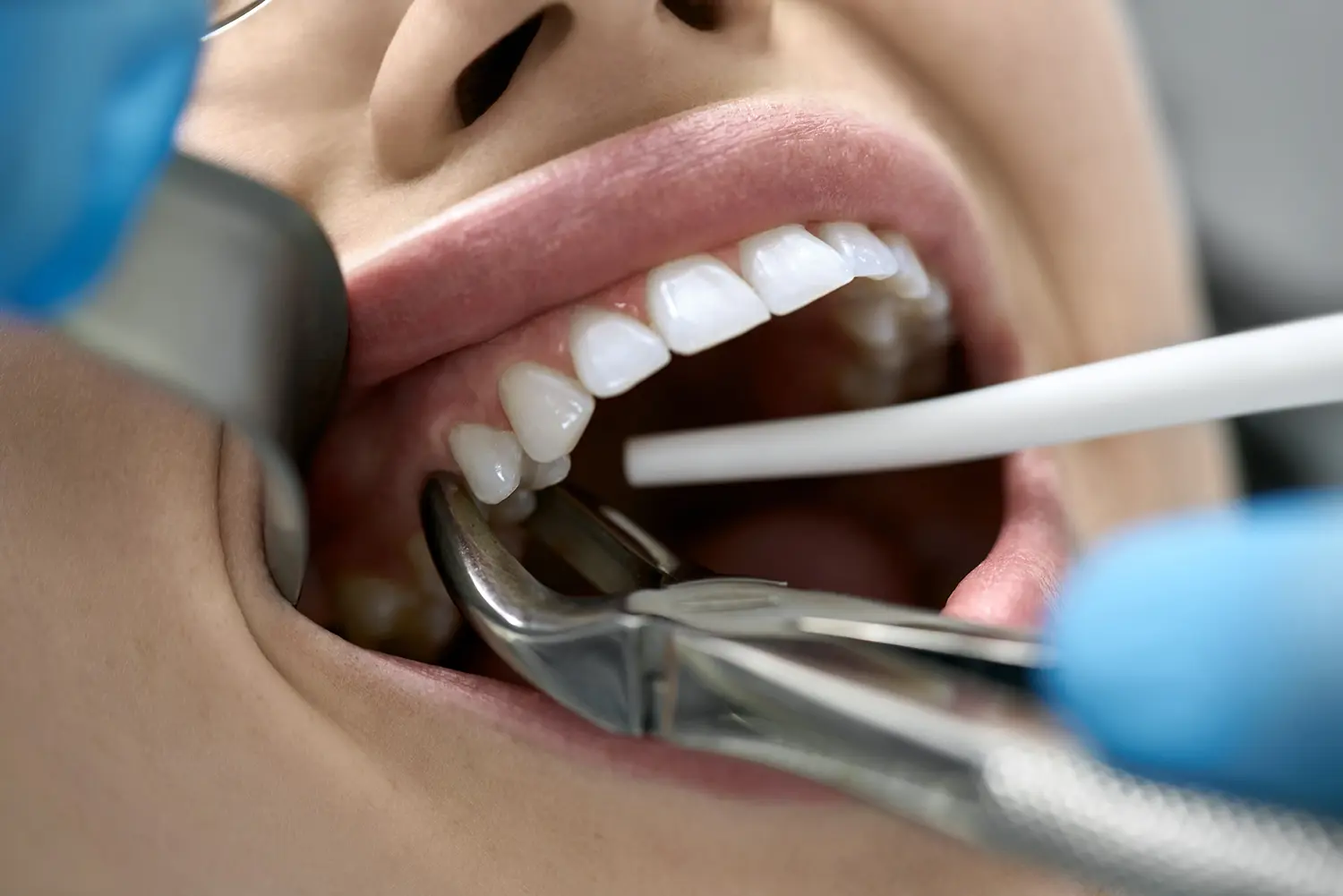
When Does a Tooth Need to Be Extracted?
A tooth may need to be removed when it is too damaged or diseased to restore predictably.
Possible reasons include:
- Severe tooth decay
- A fracture that leaves the tooth beyond repair
- An infection involving a tooth that cannot be saved
- Significant loss of supporting bone or gum tissue
- Severe trauma to the tooth
- Another condition that makes keeping the tooth unrealistic
Pain alone does not tell you whether an extraction is necessary.
A toothache can come from decay, a crack, infection, a damaged restoration, or another problem. Some of those conditions may still be treatable without removing the tooth.
The first step is determining what is actually causing the problem.
Can My Tooth Be Saved Instead?
When there is a reasonable way to preserve a natural tooth, that option deserves consideration.
A cavity may be repairable with a filling. A weakened tooth may benefit from a dental crown. If infection has reached the pulp inside a tooth that can still be restored, root canal treatment may allow the tooth to remain in place.
Extraction becomes more appropriate when the tooth is too compromised to restore predictably or another treatment is unlikely to provide a reasonable long-term result.
Dr. Bastien can examine the tooth, review any necessary digital imaging, and explain the options before you decide how to proceed.
You should understand not only what is being recommended, but why.
Learn more about restorative dentistry at The Haven.
Signs a Tooth Should Be Checked
You cannot always tell from symptoms alone whether a tooth needs to be removed.
Contact The Haven if you notice:
- Severe or persistent tooth pain
- Pain when biting or chewing
- Swelling around a tooth or along the gums
- A badly broken tooth
- A loose adult tooth
- Drainage or a pimple-like bump near a tooth
- Significant sensitivity that does not go away
- A sudden change in a tooth that was previously treated
The Haven also provides emergency dental care for concerns such as severe toothaches, dental infections, abscesses, broken teeth, and swelling.
If symptoms are significant or getting worse, you do not need to wait until your next routine appointment to have the area evaluated.
What Happens Before a Tooth Extraction?
Before removing a tooth, Dr. Bastien needs to understand the condition of the tooth and the structures around it.
Your visit may include a clinical examination and digital imaging. The Haven uses digital radiology and CBCT technology when appropriate to gather information that cannot always be seen during a visual exam.
Your health history matters too. Be prepared to discuss medications, existing medical conditions, allergies, and any concerns you have about treatment.
Once the examination is complete, Dr. Bastien can explain what she found and why extraction or another treatment is being considered.
If removing the tooth will leave a space that affects chewing or your bite, the conversation can also include whether that tooth should eventually be replaced.
What Happens During a Tooth Extraction?
The area around the tooth is numbed before treatment.
The tooth is then carefully loosened and removed from its socket. What is involved can vary based on the condition and position of the tooth, its roots, and the surrounding bone.
After the tooth is removed, a blood clot forms in the socket. This clot protects the area while early healing begins.
You will receive instructions for caring for the extraction site afterward.
If Dr. Bastien determines that your situation requires a different level or type of care, she can explain the appropriate next step.
Does Getting a Tooth Pulled Hurt?
The treatment area is numbed to control pain during the extraction.
You may still notice pressure or movement while the tooth is being removed. Soreness afterward is common, and the amount of discomfort can vary depending on the tooth and how involved the procedure was.
If dental treatment makes you nervous, tell the team.
The Haven offers comfort options including:
- Noise-canceling headphones
- Weighted blankets
- Light therapy
- Aromatherapy
- Warm or cold towels
- Neck and lumbar pillows
- Hot or cold beverages
- Ceiling-mounted televisions
Treatment rooms also have doors for additional privacy.
These details do not change the procedure itself, but they can make the appointment easier to manage.
How Do I Care for My Mouth After an Extraction?
Early healing depends partly on protecting the blood clot that forms in the extraction socket.
Follow the instructions Dr. Bastien provides for your specific procedure.
General aftercare commonly includes:
- Resting after treatment
- Following instructions for pain management
- Eating softer foods while the area is tender
- Avoiding vigorous rinsing during early healing
- Avoiding drinking through a straw during the initial recovery period
- Avoiding smoking while the extraction site heals
- Keeping the rest of your mouth clean without disturbing the socket
Some bleeding and soreness can occur after an extraction.
Contact the office if bleeding is excessive, pain becomes severe or unexpectedly worsens, swelling is concerning, or something about your recovery does not seem right.
What Is Dry Socket?
The blood clot in the extraction socket protects the underlying bone and nerves as healing begins.
If the clot is lost or breaks down too early, a painful condition called dry socket can develop.
Following your aftercare instructions helps protect the area. Smoking, vigorous rinsing, or creating suction with a straw too soon can interfere with the clot.
If pain becomes significantly worse several days after your extraction instead of gradually improving, contact the office.
What Happens to the Space After a Tooth Is Removed?
It depends on which tooth was extracted and how that tooth contributed to your bite.
Not every extraction creates the same restorative need. When a permanent tooth that plays an important role in chewing is removed, however, the empty space may affect how nearby teeth function and can allow them to shift over time.
The Haven offers several options for replacing missing teeth, including:
- Dental implants
- Dental bridges
- Partial dentures
- Full dentures
Dr. Bastien can explain whether replacing the tooth is recommended in your situation and which options make sense for your oral health.
For patients considering a single-tooth replacement, learn more about dental implants at The Haven.
What If I Need an Extraction During a Dental Emergency?
A broken or infected tooth does not always wait for a convenient time.
The Haven provides urgent dental evaluations for severe tooth pain, infections, abscesses, broken teeth, swelling, and other dental emergencies.
During an emergency visit, the first goal is identifying what is causing the problem.
Sometimes the tooth can still be treated and preserved. In another situation, extraction may be the more appropriate option.
If you have significant tooth pain, swelling, or a badly damaged tooth, contact the office so the team can determine the next step.
Frequently Asked Questions
No. Some damaged or decayed teeth can still be treated with fillings, crowns, root canal treatment, or another restorative procedure.
Extraction is generally considered when the tooth cannot be restored predictably or keeping it would create an ongoing problem.
An examination is needed to know for certain.
Dr. Bastien can evaluate how much healthy tooth remains, the extent of the damage or decay, the root and supporting structures, and any infection before discussing whether restoration or extraction makes more sense.
The treatment area is generally numbed before a tooth is removed. Your individual procedure and health history will determine the appropriate approach.
Softer foods are generally easier to manage while the area is tender. Follow the instructions provided after treatment and gradually return to your normal diet as healing allows.
You should generally avoid straws during early healing because suction can disturb the blood clot in the extraction socket.
Follow the specific aftercare instructions provided for your procedure.
It depends on which tooth is removed and how the missing space affects your bite and oral health.
If replacement is appropriate, The Haven offers options including dental implants, bridges, and removable prosthetics.
Sometimes. Depending on what is causing the pain and how much healthy tooth structure remains, a filling, crown, root canal, or another treatment may allow the tooth to stay in place.
The examination helps determine which option offers a reasonable outcome for that tooth.
Schedule a Tooth Extraction Evaluation in Gambrills
At The Haven Family & Cosmetic Dentistry, Dr. Nitchel Bastien can evaluate the tooth, review any necessary digital imaging, and explain whether it can reasonably be restored or whether removal is the more appropriate next step.