
Root Canal Treatment in Gambrills, MD
Tooth pain has a way of taking over your attention. It might begin as sensitivity that lingers after something hot or cold. For someone else, it is pain when biting, swelling near a tooth, or a toothache that suddenly becomes difficult to ignore. Sometimes the problem is coming from inside the tooth.
At The Haven Family & Cosmetic Dentistry in Gambrills, MD, Dr. Nitchel Bastien provides root canal treatment for severely damaged or infected teeth. Root canal therapy removes inflamed or infected tissue from inside the tooth so the tooth can be cleaned, sealed, restored, and preserved when possible.

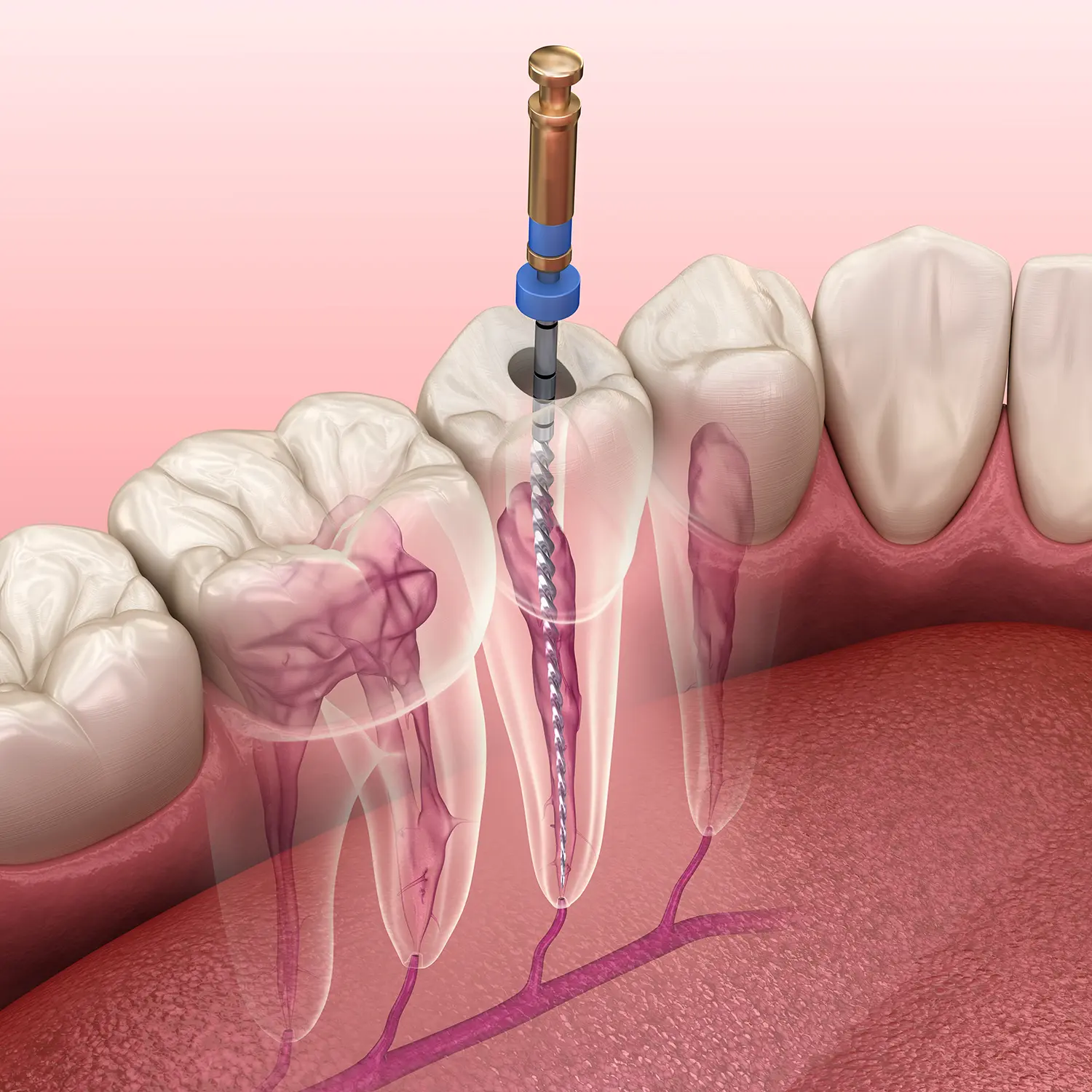
Inside each tooth is soft tissue called the dental pulp. It contains nerves, blood vessels, and connective tissue. Deep decay, cracks, trauma, or other damage can cause the pulp to become inflamed or infected. When that tissue cannot recover, root canal treatment may be needed.
During treatment, the affected pulp is removed from inside the tooth. The root canal spaces are cleaned, disinfected, filled, and sealed. The tooth itself stays in place and is restored afterward so it can continue functioning. Despite the name, a root canal does not remove the roots of your tooth. Treatment takes place inside them.
How Do I Know If I Might Need a Root Canal?
Not every toothache means you need root canal treatment. Cavities, cracks, damaged restorations, bite problems, and other dental conditions can produce similar symptoms.
Signs that should be evaluated include:
- Severe or persistent tooth pain
- Pain when biting or chewing
- Sensitivity to hot or cold that lingers
- Swelling or tenderness near a tooth
- A cracked or chipped tooth
- A pimple-like bump on the gum
- Deep tooth decay
- A tooth that has been injured
Symptoms can point toward inflammation or infection inside the tooth, but they cannot tell the whole story.
At The Haven, Dr. Bastien can examine the tooth and use digital X-rays or CBCT imaging when appropriate. She can then review what the images and examination show, explain the problem, and discuss why treatment is or is not recommended.
Why Would a Tooth Need a Root Canal?
Root canal treatment may become necessary when the pulp inside a tooth is too inflamed or infected to recover.
Possible causes include:
- Deep decay
- A crack or fracture
- Trauma to the tooth
- Problems around an older restoration
- Repeated treatment involving the same tooth
A tooth can also develop pulp damage after an injury even when there is no obvious crack visible from the outside.
If infection continues untreated, pain and swelling can worsen and an abscess may develop around the root. The damage can eventually reach a point where preserving the tooth is no longer possible.
Treating the problem earlier may provide a better opportunity to keep the natural tooth.
What Happens During Root Canal Treatment?
The first step is determining what is causing the problem and whether the tooth can reasonably be restored.
If root canal therapy is appropriate, treatment generally involves opening the tooth, removing the inflamed or infected pulp, and cleaning and shaping the spaces inside the roots. Those spaces are then filled and sealed.
The tooth may still need a permanent restoration afterward.
Depending on how much healthy tooth structure remains and where the tooth is located, Dr. Bastien may recommend a filling or a dental crown to restore and protect it.
The Haven's restorative process also includes post-treatment instructions and follow-up care when needed.
Will I Need a Crown After a Root Canal?
Many teeth need additional protection after root canal treatment, especially when decay or previous damage has already removed a significant amount of tooth structure.
A crown surrounds the visible portion of the tooth and helps protect the remaining structure during normal biting and chewing.
That does not mean every root canal automatically requires the same restoration.
Dr. Bastien will consider how much healthy tooth remains, where the tooth is located, how it functions in your bite, and what type of restoration can provide appropriate support.
Learn more about dental crowns at The Haven.
Do Root Canals Hurt?
Root canals have a reputation that often comes from the toothache that leads up to treatment.
Root canal therapy is typically performed using local anesthesia to keep the area numb during the procedure. Some tenderness around the treated tooth may occur afterward, particularly when the tooth was already painful or infected before treatment.
If dental treatment makes you nervous, tell the team.
The Haven was designed with comfort in mind. Available options include noise-canceling headphones, weighted blankets, light therapy, aromatherapy, warm or cold towels, neck and lumbar pillows, beverages, and televisions in the treatment rooms. The operatories also have doors for additional privacy.
Those details do not change the clinical treatment, but they can make the appointment easier to manage.
Root Canals and Dental Emergencies
Some root canal problems develop gradually. Others become urgent.
The Haven provides emergency dental care, including emergency root canal therapy for severely infected teeth. The practice also treats concerns such as severe tooth pain, dental abscesses, and broken teeth.
Contact the office promptly if you develop:
- Severe or worsening tooth pain
- Noticeable swelling
- A dental abscess
- A broken or badly damaged tooth
- Sudden pain when biting
- Another significant change involving a tooth
You do not need to wait until your next routine dental visit to have the problem examined.
Root Canal or Tooth Extraction?
When a tooth is badly damaged or infected, patients sometimes wonder whether treating it is worthwhile compared with simply removing it.
The answer depends on whether the tooth can still be predictably restored.
Root canal treatment addresses the problem inside the tooth while allowing the natural tooth to remain. An extraction removes the tooth entirely and leaves a space that may later need to be evaluated for replacement.
There are times when an extraction is the more appropriate option. A severe fracture, extensive structural damage, or another complication may make saving the tooth unrealistic.
Dr. Bastien can evaluate the amount of remaining tooth structure, the extent of the damage or infection, and the long-term outlook before discussing the options with you.
You can also learn more about The Haven's broader restorative dentistry services.
What Happens After a Root Canal?
Some tenderness after treatment can be normal, especially if the tooth was painful beforehand.
Follow the instructions provided after your procedure and contact the office if symptoms are severe, worsening, or otherwise concerning.
Completing the final restoration is also important.
Depending on the tooth, that may mean placing a permanent filling or crown to protect the remaining structure. Once the tooth has been restored, regular brushing, cleaning between your teeth, and routine dental visits remain important.
Frequently Asked Questions
No. Root canal treatment may be recommended when the pulp inside a tooth is inflamed or infected. Deep decay, cracks, trauma, and repeated dental treatment can all damage the pulp.
Dr. Bastien will evaluate the tooth before determining whether root canal therapy is appropriate.
Yes. Symptoms vary, and problems inside a tooth do not always produce obvious pain. An examination and dental imaging can sometimes reveal damage that would not be apparent from symptoms alone.
The inflamed or infected pulp is removed from inside the tooth. The root canal spaces are then cleaned, disinfected, filled, and sealed. The tooth itself remains in place.
Possibly. A crown may be recommended when the remaining tooth needs additional structural protection after treatment. The appropriate restoration depends on the condition and location of the tooth.
It depends on whether the tooth can still be restored. Root canal treatment is intended to preserve a natural tooth when possible. If the tooth is too badly damaged to restore predictably, extraction may need to be considered.
Yes. The Haven lists emergency root canal therapy among its emergency dental services. If you are experiencing severe tooth pain, swelling, or another urgent dental problem, contact the office for an evaluation.
Some tenderness can occur after treatment. Contact the office if pain is severe, symptoms are getting worse, swelling develops, or something otherwise does not feel right.
Schedule a Root Canal Evaluation in Gambrills
At The Haven Family & Cosmetic Dentistry, Dr. Nitchel Bastien can examine the tooth, review any necessary digital imaging, and explain what she finds before you make a treatment decision.
If root canal therapy is appropriate, the goal is to treat the problem inside the tooth and preserve your natural tooth when possible.